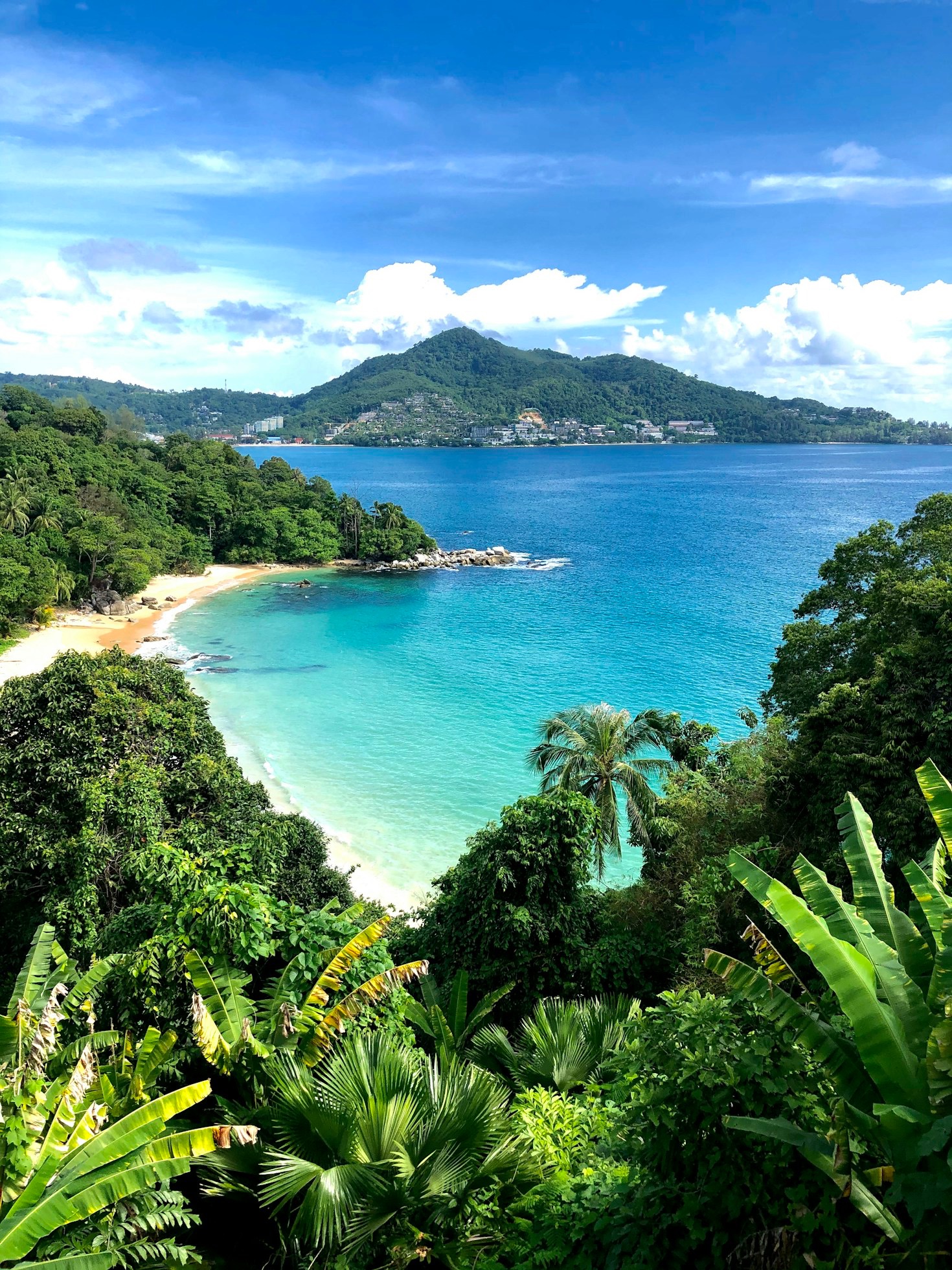
Title: Phuket Travel Guide 2026 – Best Beaches, Things To Do, Where To Stay, and When To Visit
Meta description: Plan the perfect Phuket trip with our 2026 guide. Discover the best beaches, top things to do, where to stay, how to get around, and essential tips for first-time visitors.
H1: Phuket Travel Guide: Beaches, Activities, Stays, and Tips
Phuket is Thailand’s largest island and one of Asia’s most popular beach destinations, known for turquoise water, dramatic limestone cliffs, vibrant night markets, and a welcoming food culture. Whether you’re chasing postcard-perfect beaches, family-friendly resorts, or a base for island-hopping adventures, Phuket delivers. This guide covers the best places to visit in Phuket, what to do, where to stay, the best time to visit, how to get around, and practical tips for a smooth, budget-smart trip.
H2: Best Beaches in Phuket
- Patong Beach: Phuket’s busiest beach is famous for nightlife, water sports, and a huge dining scene. It’s crowded and high-energy—ideal if you want action at your doorstep. For quieter sand near Patong, try the northern end or neighboring Kalim.
- Karon and Kata: South of Patong, Karon offers a long, wide stretch of golden sand and relaxed vibes, while Kata and Kata Noi are beloved for clear water and a compact village feel. Great for couples and families, with plenty of restaurants and midrange hotels.
- Kamala and Surin: Upscale but laid-back. Kamala suits families and sunset chasers; Surin’s bay is small and picturesque, with boutique stays and calmer seas outside monsoon months.
- Nai Harn and Ya Nui: On the island’s southern tip, Nai Harn is a favorite among locals and expats for its clean water and scenic headlands. Nearby Ya Nui is a tiny cove ideal for snorkeling on calm days.
- Mai Khao and Nai Yang: Close to the airport in the northwest, these beaches sit within Sirinat National Park. Expect fewer crowds, long walks on near-empty sand, and the occasional plane-spotting moment at Mai Khao.
H2: Top Things To Do in Phuket
- Island Hopping: Take day trips to Phi Phi Islands for snorkeling, viewpoints, and Maya Bay (visitor rules can change seasonally), or explore Phang Nga Bay’s limestone karsts and James Bond Island by longtail or kayak through sea caves.
- Old Phuket Town: Stroll Thalang Road and Dibuk Road to see pastel Sino-Portuguese shophouses, murals, and cafés. Visit on Sunday evening for the Lard Yai walking street market—great for street food and handicrafts.
- Big Buddha and Wat Chalong: The 45-meter Big Buddha offers panoramic views over the south coast. Combine with Wat Chalong, Phuket’s largest and most revered temple, for a cultural half-day.
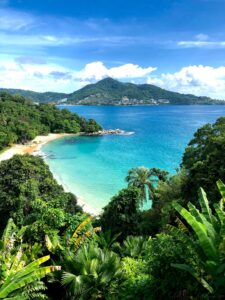
- Viewpoints and Hikes: Karon Viewpoint overlooks Kata Noi, Kata, and Karon bays in one sweep. Promthep Cape is a classic sunset stop. For light hiking, try the Black Rock viewpoint or the short trail to the Windmill viewpoint.
- Water Activities: Learn to dive around Racha Islands or Koh Doc Mai, try stand-up paddleboarding at Kata, or surf in Karon and Kata during the May–Oct swell. On calm days, snorkel at Ao Sane or Ya Nui.
- Markets and Food: Sample Hokkien noodles, moo hong (braised pork), fresh seafood, and mango sticky rice. Night markets like Chillva Market and Phuket Weekend Market offer budget eats and souvenirs.
- Wellness and Spas: Treat yourself to Thai massage, herbal saunas, and beachside foot massages. Many resorts offer full wellness programs including yoga and detox menus.
- Nightlife: Bangla Road in Patong is the nightlife epicenter, but Kamala and Kata offer mellow bars for a quieter evening. Beach clubs at Kamala and Surin deliver sunset cocktails and DJ sets.
H2: Where To Stay in Phuket
- Best for First-Timers: Kata or Karon strike a balance of beach access, dining, and ease of getting around without the intensity of Patong. Midrange hotels and family-friendly resorts abound.
- Best for Nightlife: Patong places you close to bars, clubs, shopping, and tours—choose a hotel a few blocks off the main drag for quieter nights.
- Best for Luxury and Privacy: Surin, Kamala’s Millionaire’s Mile, and Cape Panwa host boutique hotels, villas, and high-end resorts with private coves and cliffside views.
- Best for Nature and Calm: Nai Harn, Rawai, and the northwest beaches (Mai Khao, Nai Yang) offer fewer crowds, access to national parks, and a local feel.
Tip: Book early for December–February. For shoulder-season deals, look at April–June and September–October, and check cancellation terms during monsoon months.
H2: When To Visit Phuket
- Dry Season (Nov–Apr): Peak travel time with sunny days and calmer seas. Ideal for beach time, boat trips, and diving visibility. Prices and crowds are highest from mid-December to mid-January.
- Shoulder Seasons (Apr–May and Oct–Nov): Warmer temperatures and occasional showers; good value and fewer crowds. Sea conditions vary—check forecasts before booking island tours.
- Green/Monsoon Season (May–Oct): Expect short, heavy showers with sunny breaks. Surfers enjoy better waves; some boat trips are weather-dependent. Accommodation prices drop significantly.
H2: Getting To and Around Phuket
- Arriving: Phuket International Airport (HKT) has direct flights from major Asian hubs and seasonal long-haul routes. Taxis, rideshares, airport buses, and hotel transfers connect to main beaches.
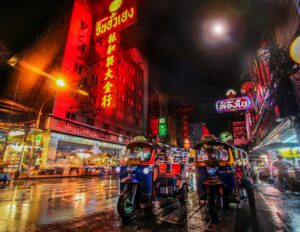
- Transport on the Island: Taxis and rideshare apps are convenient but can be pricier; tuk-tuks suit short hops. Renting a car offers freedom for beach-hopping and day trips; scooters are common but require experience, helmets, and proper licensing. Local blue songthaews (shared trucks) run between towns during daytime.
- Driving Tips: Roads are generally good, but traffic can be busy in Patong and Phuket Town. Monsoon rains make surfaces slick—drive cautiously.
H2: Food and Night Markets
- Don’t miss: Phuket-style Hokkien mee, roti with curry, fresh grilled fish, som tam (papaya salad), and coconut ice cream.
- Where to try: Old Town cafés for brunch and desserts, rustic seafood shacks in Rawai, and market stalls at Lard Yai (Sun evenings), Chillva (Thu–Sat), and Phuket Weekend Market (Sat–Sun).
- Dietary needs: Vegetarian and halal options are widely available; many restaurants display English menus near major beaches.
H2: Budget Tips and Trip Planning
- Save on Stays: Book shoulder-season dates and compare Kata vs. Karon for better value than Patong. Consider inland hotels near Old Town for culture and lower rates, then day trip to beaches.
- Eat Local: Street food and mom-and-pop restaurants are both delicious and affordable. Look for busy stalls and posted prices.
- Tours and Boats: Compare group vs. private longtail tours; early-morning departures beat crowds at Phi Phi and Phang Nga. Verify safety gear and weather conditions before departure.
- Cash and Cards: Cards are accepted at many hotels and restaurants, but markets and small eateries may prefer cash. ATMs are widespread; expect standard withdrawal fees.
H2: Responsible Travel and Safety
- Beach Safety: Observe red/yellow flags. Rip currents are stronger during monsoon months—swim only where lifeguards are present.
- Sun and Reef Care: Use reef-safe sunscreen and avoid touching coral or standing on reefs. Hydrate and seek shade midday.
- Culture and Etiquette: Dress modestly when visiting temples (shoulders and knees covered). Remove shoes before entering temple buildings and be respectful of local customs.
- Wildlife: Avoid venues offering unethical animal shows or interactions. Choose sanctuaries with strong welfare standards.
H2: Sample 4-Day Phuket Itinerary
- Day 1: Arrive and settle in Kata/Karon; sunset at Karon Viewpoint; dinner at a local seafood spot.
- Day 2: Early boat to Phi Phi for snorkeling and viewpoints; return by late afternoon; night market snacks in Old Town.
- Day 3: Big Buddha and Wat Chalong in the morning; relax at Nai Harn or Ya Nui; sunset at Promthep Cape; beachside massage.
- Day 4: Explore Old Phuket Town’s shophouses and cafés; optional cooking class; end with a calm evening in Kamala or a lively one in Patong.
H2: Frequently Asked Questions
- Is Phuket good for families? Yes—Kata, Karon, and Kamala offer safe swimming, family rooms, and kid-friendly dining.
- Can you drink the tap water? Stick to bottled or filtered water; ice at reputable restaurants is usually made from safe sources.
- Do you need a SIM card? Airport kiosks and convenience stores sell affordable tourist SIMs with data packages; eSIMs work well if your phone supports them.
- Is Phuket expensive? It can be, but you can keep costs reasonable by staying in midrange hotels, eating local, and choosing group tours.
Conclusion
Phuket combines stunning beaches, easy logistics, and a deep sense of place—from Sino-Portuguese heritage in Old Town to laid-back fishing villages and luxe clifftop resorts. Choose your base by vibe, time your visit for your preferred weather and budget, and build in island-hopping, culture, and downtime. With a little planning, Phuket can be as energetic or as chilled as you want it to be—making it a standout Thailand destination for 2026 and beyond.
Target keywords: Phuket travel guide, best beaches in Phuket, things to do in Phuket, where to stay in Phuket, when to visit Phuket, Phuket itinerary, Phuket Old Town, Phi Phi day trip, Phang Nga Bay tour, Phuket nightlife, Phuket family travel, Phuket markets, Phuket diving
Share, Earn, and Enjoy Exclusive Perks
This section highlights how users can earn rewards through referrals, making engagement beneficial and rewarding for both referrers and new users.

Step One: Sign Up and Join
This is the first step description, explaining the initial action required to begin the process and how it sets the foundation for the next steps.

Step Two: Share and Refer
This is the second step description, detailing how the process unfolds and what users need to do to move forward efficiently.

Step Three: Earn and Enjoy
This is the third step description, highlighting the final actions required to achieve the desired outcome and complete the process successfully.